


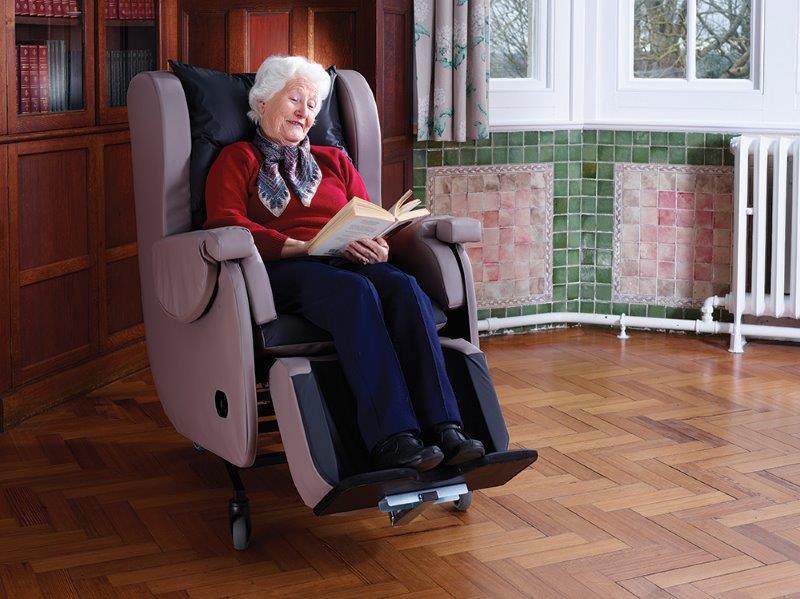


Frequently Asked Questions About Ward & Patient Seating
What is ward and patient seating?
Ward and patient seating refers to chairs and specialist seating equipment designed for use in hospitals, healthcare facilities and care environments. These products help provide comfort, support and appropriate seating for patients with different physical and mobility needs.
What types of patient seating are used in hospitals?
Hospitals use a variety of seating options depending on patient needs and clinical requirements. These may include standard ward chairs, high-back patient chairs, specialist supportive seating and chairs designed to assist with transfers or repositioning.
What is the difference between a hospital chair and a standard chair?
Hospital chairs are generally selected with healthcare requirements in mind. Depending on the model, they may offer supportive seating positions, durable construction, easy-clean upholstery and features intended to make patient care and everyday use more manageable.
Are ward chairs suitable for elderly patients?
Yes. Suitable ward chairs can provide older patients with a supportive and comfortable place to sit. Important considerations include seat height, armrest design, stability and the individual's ability to sit down and stand up safely.
What should I consider when choosing patient seating?
Consider the patient's mobility, posture, comfort, transfer requirements and expected sitting duration. Seat height, width, depth, armrest positioning, weight capacity and ease of cleaning are also important when selecting seating for a healthcare environment.
Are hospital patient chairs easy to clean?
Many chairs designed for healthcare environments feature materials and surfaces intended to support routine cleaning. However, cleaning requirements vary by product. Always check the manufacturer's care instructions and compatibility with the facility's infection prevention and control procedures.
Can patient seating help people with limited mobility?
Appropriately selected patient seating can make sitting, standing and maintaining a comfortable posture easier for some people with limited mobility. Features such as supportive armrests and suitable seat heights may be helpful, depending on individual requirements.
What is the best seat height for a hospital patient chair?
The most appropriate seat height depends on the patient's leg length, mobility and transfer ability. A chair should allow the user to sit with appropriate support and, where relevant, place their feet securely on the floor. Clinical assessment may be needed for patients with complex requirements.
Are ward and patient chairs suitable for care homes?
Some ward and patient chairs are also suitable for residential care homes, nursing homes and rehabilitation environments. The appropriate choice depends on the setting, expected usage and residents' support needs.
What is the difference between general patient seating and specialist seating?
General patient seating is intended for users who can maintain a suitable seated position with relatively little additional support. Specialist seating may offer more advanced positioning, pressure management or postural support features for individuals with complex clinical needs.
Can patient chairs support safer transfers?
Certain patient chairs have features that may make transfers easier, such as supportive armrests, appropriate seat heights or specialist transfer-related designs. The chair must be suitable for the user's abilities and the care team's transfer procedures. Always follow the manufacturer's guidance and the patient's moving and handling plan.
Where can I buy ward and patient seating in the UK?
John Preston supplies ward and patient seating for hospitals, care homes and other healthcare settings. Browse our range online to explore practical seating solutions designed to support patient comfort and everyday care needs.